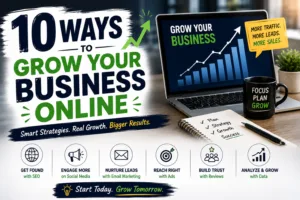

You are currently viewing Content Marketing Strategies for Busy Professionals In 10 Steps

Content Marketing Strategies for Busy Professionals In 10 Steps

Introduction: Why Content Marketing Matters Even If You Are Busy

In today’s digital-first world, professionals are not only evaluated by their job titles but also by their online presence. Whether you work in corporate, run a business, or freelance, visibility builds credibility.

However, many professionals struggle with time constraints. Meetings, deadlines, and responsibilities leave little room for content creation.

Content Marketing Strategies Tips

The good news is that effective content marketing strategies for busy professionals do not require hours every day. With a smart system and focused approach, you can build authority without overwhelming your schedule.

Here are 10 practical steps to help you implement content marketing efficiently.


Step 1: Define Your Clear Content Goal

Before creating content, clarify your objective.

Ask yourself:

      • Do I want to build a personal brand?

      • Do I want to attract clients?

      • Do I want career growth or promotion?

      • Do I want to establish thought leadership?

    Clear goals guide your content direction and prevent wasted effort.

    Without focus, content becomes inconsistent and ineffective.


    Step 2: Choose One Primary Platform

    Busy professionals often make the mistake of trying to be everywhere.

    Instead, select one main platform based on your audience.

    For corporate professionals and consultants, LinkedIn is often the best choice.

    For visual brands, Instagram may work better.

    If you prefer video content, YouTube can be effective.

    Master one platform before expanding.


    Step 3: Create a Weekly Content Schedule

    Time management is essential.

    Instead of posting daily, aim for:

        • 2–3 high-quality posts per week

        • One long-form article per month

        • One short insight post mid-week

      Block 60–90 minutes once a week to create and schedule content in advance.

      Batch creation saves time and reduces stress.


      Step 4: Repurpose Content Smartly

      One of the best content marketing strategies for busy professionals is repurposing.

      For example:

          • Turn one article into 3 short posts

          • Convert a presentation into a blog

          • Transform insights from meetings into LinkedIn posts

          • Turn blog points into short videos

        This multiplies your visibility without multiplying your workload.


        Step 5: Focus on Value, Not Volume

        You do not need to post daily to grow.

        Instead, focus on:

            • Sharing industry insights

            • Offering practical tips

            • Discussing real experiences

            • Solving common problems

          High-value content builds trust faster than frequent low-quality posts.

          Consistency matters more than quantity.


          Step 6: Use Data and Trends to Stay Relevant

          Stay updated with industry developments.

          Tools and platforms like Google Trends help you identify trending topics in your niche.

          You can create content around:

              • Emerging industry trends

              • Market changes

              • New technologies

              • Career insights

            Relevant content increases engagement and authority.


            Step 7: Share Personal Experience and Case Studies

            Generic content blends in. Personal insights stand out.

            Share:

                • Lessons learned from projects

                • Challenges you overcame

                • Successful strategies you implemented

                • Leadership experiences

              Storytelling humanizes your content and builds connection.

              Professionals who share practical experiences are perceived as credible and trustworthy.


              Step 8: Engage With Your Audience

               Content marketing is not just posting; it is engagement.

              Respond to comments.
              Participate in discussions.
              Comment thoughtfully on others’ posts.

              On platforms like LinkedIn, meaningful engagement often increases visibility more than posting alone.

              Strong engagement builds relationships and professional networks.


              Step 9: Track Performance and Optimize

              Even busy professionals should monitor basic metrics:

                  • Engagement rate

                  • Profile views

                  • Website clicks

                  • Follower growth

                If certain topics perform better, create more content around them.

                Content marketing strategies for busy professionals should be efficient and data-informed.

                Optimization ensures your time investment produces results.


                Step 10: Build Long-Term Authority

                Content marketing is not about instant results. It is about consistent visibility over time.

                When you regularly share insights:

                    • Recruiters notice you

                    • Clients trust you

                    • Colleagues respect your expertise

                    • Opportunities increase

                  Authority builds gradually.

                  After 6–12 months of consistent effort, your online presence becomes a powerful professional asset.


                  Common Mistakes Busy Professionals Should Avoid

                      • Trying to post on too many platforms

                      • Copying trending content without adding value

                      • Being inconsistent

                      • Focusing only on self-promotion

                      • Ignoring engagement

                    Content marketing works best when it balances value, authenticity, and consistency.


                    Conclusion: Work Smart, Not More

                    Content marketing strategies for busy professionals are about smart systems, not extra workload.

                    By:

                        • Defining clear goals

                        • Choosing the right platform

                        • Batching content

                        • Repurposing effectively

                        • Tracking performance

                      You can build a strong digital presence without sacrificing your productivity.

                      In 2026 and beyond, professionals who invest in content marketing gain visibility, credibility, and career growth opportunities.

                      What is content marketing?

                      Content marketing is a digital marketing strategy that involves creating and sharing valuable, relevant, and informative content to attract and engage a target audience. It includes blog posts, videos, social media posts, infographics, email newsletters, and guides that help businesses build trust and connect with potential customers.

                      How does content marketing help businesses grow?

                      Content marketing helps businesses grow by improving online visibility, attracting potential customers, building brand credibility, and generating leads. High-quality content can answer customer questions, support purchasing decisions, increase organic search traffic, and encourage repeat business. When combined with SEO and social media marketing, it can help businesses reach the right audience more effectively.

                      What are the benefits of content marketing?

                      The main benefits of content marketing include:- Improved SEO: Helpful, relevant content can improve a website’s visibility in search results. - Increased brand awareness: Content introduces your business to new audiences. - Lead generation: Valuable resources can encourage potential customers to enquire about products or services. - Customer trust: Educational content demonstrates knowledge and expertise. - Audience engagement: Videos, articles, and social media posts encourage interaction. - Long-term value: Evergreen content can attract visitors long after publication.

                      How to create a content marketing strategy?

                      To create an effective content marketing strategy, follow these steps: 1. Define your goals: Decide whether you want more website traffic, leads, sales, or brand awareness. 2. Understand your audience: Research their needs, interests, problems, and search behaviour. 3. Conduct keyword research: Identify relevant keywords and questions your audience searches for. 4. Choose content formats: Plan blog posts, videos, case studies, infographics, or social media content. 5. Create helpful content: Provide accurate, original information that addresses users’ needs. 6. Optimize for SEO and AEO: Use descriptive headings, relevant keywords, clear answers, and appropriate internal links. 7. Distribute your content: Share it through search engines, social media, email, and other relevant channels. 8. Measure performance: Track organic traffic, engagement, conversions, and leads using analytics tools.

                      Which content marketing techniques improve SEO?

                      Effective content marketing techniques for SEO include: - Keyword research: Target relevant search terms that match user intent. - Search-intent optimization: Create content that directly answers what users want to know. - Topic clusters: Connect related articles using strategic internal links. - Helpful, original content: Provide practical advice, examples, and genuine expertise. - On-page SEO: Optimize title tags, meta descriptions, headings, image alt text, and URLs. - Content refreshes: Update outdated facts, examples, and recommendations. - Technical accessibility: Ensure pages are crawlable, mobile-friendly, and load efficiently. - Digital PR and link earning: Create useful resources that other relevant websites may reference naturally.

                      What types of content marketing are most effective?

                      Content marketing works best when businesses consistently publish useful, audience-focused content and measure how well it supports their goals. Combining content marketing with SEO, social media distribution, and conversion optimization can help build sustainable online visibility and business growth.

                      Leave a Reply